Best Paddles for Singles
Singles rewards different equipment than doubles does. Reach and serve weight matter more; hand speed at the kitchen line matters less. These are the paddles built for it.
Disclosure: Drive Dink earns a commission from qualifying Amazon purchases at no extra cost to you. We accept no free products and no paid placements — commissions never change our picks. How this works.
Almost every paddle recommendation you read is a doubles recommendation, because almost everybody plays doubles. Singles inverts several of the assumptions underneath it: the court is bigger relative to one player, rallies start from further back, the serve and the return are weapons rather than formalities, and there is far less time spent in a hands battle at the kitchen line.
That changes what a paddle needs to do. Live Amazon prices render above. Units we claim to have tested: 0. We rank on published specifications and fit, not on a single overall score.
| # | Paddle | Best for | Score | Price |
|---|---|---|---|---|
| 1 | 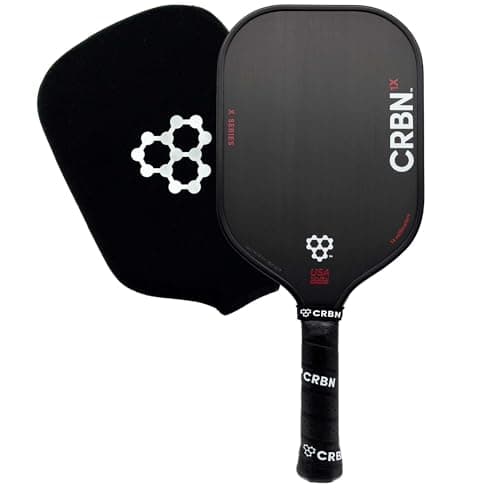 CRBN X-Series Power Clean, refined power feel | Best overall for singles | 8.0 | $149.99 · View on Amazon #adPrice as of October 23, 2026 |
| 2 | 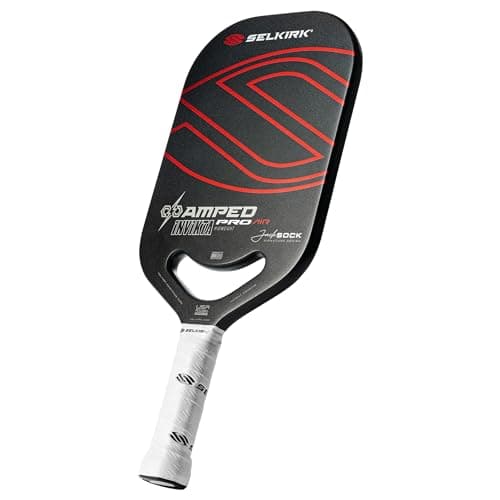 Selkirk Amped Pro Air Invikta Reach + leverage in an elongated frame | Best reach and serve weight | 7.5 | $99.99 · View on Amazon #adPrice as of October 23, 2026 |
| 3 | 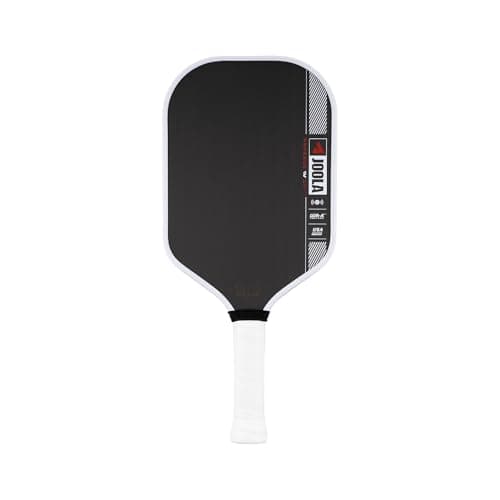 JOOLA Ben Johns Perseus Pro IV 14mm Fast hands + spin at the net | Best for a fast, aggressive singles game | 7.8 | |
| 4 | 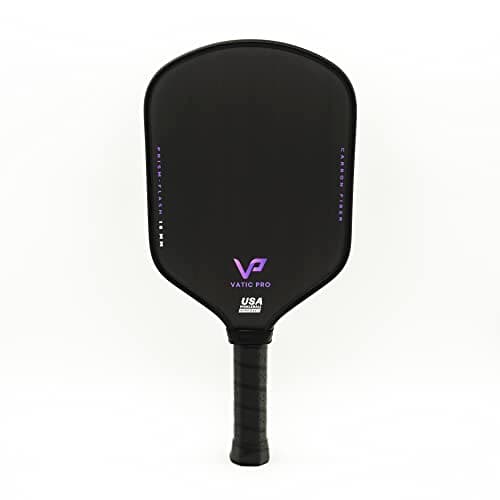 Vatic Pro Prism Flash 16mm The value spin champion (best under ~$110) | Best value | 8.0 | $99.99 · View on Amazon #adPrice as of October 23, 2026 |
Tap any row to jump to the full write-up. Prices are pulled live from Amazon.
CRBN X-Series Power
CRBN's power line has a following for a reason: thermoformed pace with a cleaner, less hollow feel than some rivals.
The X-Series Power gives you the thermoformed power everyone wants but with a feel a lot of players describe as more solid and less 'tinny' than the cheaper thermoformed crowd. A dependable elongated power paddle from a respected brand.
Singles is decided by how much pressure you can apply from the back of the court, and the X Power is our highest-scoring paddle for applying it without punishing you. It is elongated, so you get reach on the run and leverage on the drive; it is refined, so the pace arrives composed rather than harsh. The con is the one that follows every elongated frame: it is slower to move than a standard shape when a rally does get to close quarters.
- Core
- 14 mm
- Shape
- Elongated
- Face
- Raw carbon-fiber face
- Weight
- ~8.0 oz
- Build
- Thermoformed
- Gen
- X-Series
Manufacturer-listed as USA Pickleball approved. Approvals and delistings change — verify against the current USAP equipment list before tournament play (checked 2026-07).
Selkirk Amped Pro Air Invikta
Selkirk's elongated reach option — the Invikta shape gives real reach and leverage, with the open Air throat trimming swing weight.
The Invikta is one of the longest-standing elongated shapes in the sport, and the Amped Pro Air pairs that reach with Selkirk's open Air Dynamic Throat, which the brand says raises swing speed through the air. The FiberFlex+ fiberglass face and 16mm X5+ honeycomb core are tuned for balanced power and a large sweet spot rather than raw thermoformed pace, so it is a former-tennis-player favorite: leverage on drives, a long paddle face, and a quieter, more refined feel than the raw thermoformed crowd.
The Invikta outline is one of the longest in the market, and in singles length is coverage — the difference between reaching a wide dink and watching it land. Our power score for it is at the top of our range, which on a serve translates directly into a returner pushed further back. The con is the forgiveness cost: a long frame with a modest sweet spot punishes the stretched, off-balance contacts that singles produces constantly.
- Core
- 16 mm
- Shape
- Elongated
- Face
- FiberFlex+ fiberglass face over an X5+ honeycomb core
- Weight
- 7.8-8.2 oz
- Build
- Cold-pressed
- Gen
- Amped Pro Air
Manufacturer-listed as USA Pickleball approved. Approvals and delistings change — verify against the current USAP equipment list before tournament play (checked 2026-07).
JOOLA Ben Johns Perseus Pro IV 14mm
The 14mm Perseus is quicker and poppier than the 16mm — more spin and speed, less forgiveness. A hard-swinging aggressor's paddle.
Same Charged surface and thermoformed build as its 16mm sibling, but the thinner core makes it faster through the air and livelier off the face. You get more spin and more pop at the cost of a smaller margin for error — ideal if your game is built on speed and you catch the ball clean.
The hybrid shape is the compromise candidate: shorter than a true elongated frame so it moves quickly, long enough to still generate leverage, and in the 14mm build it sends the ball away fast. If your singles game is built on taking time away rather than out-hitting from the baseline, this is the pick. The con is the sweet spot — a thin core on a hybrid frame gives back forgiveness you may want when you are stretched.
- Core
- 14 mm
- Shape
- Hybrid
- Face
- Charged carbon-fiber surface (Tech-Flex)
- Weight
- ~8.0 oz
- Build
- Thermoformed
- Gen
- Pro IV (Gen 4)
Manufacturer-listed as USA Pickleball approved. Approvals and delistings change — verify against the current USAP equipment list before tournament play (checked 2026-07).
Vatic Pro Prism Flash 16mm
The value-shopper's spin paddle: raw T700 carbon and a thermoformed build that punches well above its price.
Vatic built a reputation on giving you 90% of a $250 paddle for around a hundred bucks. The Prism Flash's raw T700 face grips for spin and the elongated frame adds reach — the paddle we recommend when 'best spin under $100' is the search.
A 16.5-inch elongated frame with a raw T700 face for a fraction of flagship money, and our value spin pick. In singles the spin matters more than it does in doubles — heavy topspin drives are how you keep an opponent pinned behind the baseline. The con is refinement: the feel is less consistent across the face than the paddles above it, which shows up on the shots you are least in control of.
- Core
- 16 mm
- Shape
- Elongated
- Face
- Raw Toray T700 carbon fiber
- Weight
- ~8.0 oz
- Build
- Thermoformed
- Gen
- Prism
Manufacturer-listed as USA Pickleball approved. Approvals and delistings change — verify against the current USAP equipment list before tournament play (checked 2026-07).
What singles actually demands from a paddle
Reach. One player covering a full court means more stretched contacts, more balls taken at the edge of your range, and more rallies where an extra inch is the difference between a shot and a watch. Elongated frames are the direct answer, and the reason they dominate this page.
Serve and return weight. In doubles a deep serve is useful; in singles it is structural. A heavy serve pushes the returner back and buys you the first attacking ball. That rewards paddles with real plow-through — high swing weight, stiff frames, thermoformed construction. Our most powerful legal paddles page ranks the field on pace alone.
Topspin. Singles is played from further back more often, and a flat drive from the baseline is a low-percentage shot. Topspin lets you hit hard and still land it inside the line. Our spin roundup covers the field, and our how spin works guide covers the mechanism.
Less hand speed than you think. The property doubles players prize most — a paddle that changes direction instantly in a firefight — is the one singles asks for least. That is why singles players can afford elongated frames that doubles players often find slow.
The trade you are making
Every property above is bought with swing weight. Length moves mass away from your hand, which increases the effort of every stroke and every recovery. In a sport where you are covering the whole court alone, that cost is not theoretical — it accumulates over a long third set.
There is no free version of this. What there is, is a decision about where you sit on the scale, and it should be made deliberately rather than by buying the longest paddle available. Our swing weight and twist weight guide explains the measurement, and our paddle weight guide covers how static weight interacts with it.
A practical rule: if you are new to elongated paddles, start with a moderate frame rather than the longest one, play a full session, and pay attention to the last twenty minutes rather than the first twenty. Fatigue is what exposes a paddle that is too much work.
How we picked
We started from the paddles in our catalog with elongated or hybrid outlines and power scores at or near the top of our range, then filtered on three things: whether the frame generates real serve weight, whether the face grips well enough to hit heavy topspin, and whether the forgiveness cost is defensible for a player who will be reaching and stretching constantly.
Every pick above is a paddle we already cover in depth, and every one is USA Pickleball listed by its manufacturer — see our guide to USAP approved paddles for why that list needs checking before a tournament rather than trusted from a product page.
Who should buy which
If you are a baseline player who wants to out-hit opponents from the back, the CRBN X Power is the pick — most pace with the least punishment. Our full review covers it, and our CRBN vs Gearbox comparison covers the harder-edged alternative.
If your serve is your best shot and you want maximum reach, the Selkirk Amped Pro Air Invikta is the longest-reaching option here. Read our Amped Pro Air review for the forgiveness caveat before you commit.
If you play a fast, take-time-away singles game, the 14mm Perseus is quicker in the hand than anything else on this list. Our Perseus 14mm vs 16mm comparison explains why we picked the thin core here specifically.
If you are trying singles rather than committing to it, the Vatic Prism Flash gets you an elongated frame and a spin-capable face for a fraction of the money. Our Flash vs V7 comparison covers the shape decision inside the brand.
Two things beyond the paddle
Shoes matter more in singles. You are covering roughly twice the ground, with more lateral load and more emergency stopping. Court shoes with real lateral support are not optional — our best pickleball shoes picks cover the options, and our pickleball shoes vs tennis shoes comparison covers what to do if you already own tennis shoes.
Grip tension costs you more. Longer rallies and more running mean a tired forearm arrives sooner, and a tired forearm grips harder, which accelerates everything. A grip that fits properly is the cheapest performance change available — our grip size guide covers how to work yours out.
The bottom line
Buy longer than you would for doubles, buy for serve weight rather than hand speed, and be honest about how much paddle you can swing in the third set. If you play both formats regularly, the compromise is a hybrid shape — the Perseus in either core — rather than owning two paddles you never quite adapt to. Start from our best power paddles roundup if none of these fit, or from our best 14mm paddles page if the quick, thin-core feel is what you want off the face on drives.
Should I use a different paddle for singles than for doubles?
You can play both with one paddle, but the ideal specifications differ. Singles rewards reach, serve weight and topspin, which points at elongated frames; doubles rewards hand speed and a wide sweet spot, which points at standard or hybrid shapes. If you play both regularly, a hybrid shape is the honest compromise.
Are elongated paddles better for singles?
Usually, yes. Length gives you reach on the run and leverage on drives and serves, which are the shots singles is decided by. The cost is swing weight — a long paddle takes more effort to accelerate and recover, and you are covering the whole court alone, so that cost compounds over a long match.
Does spin matter more in singles?
It matters differently. Singles rallies start from further back, and a flat drive from the baseline is a low-percentage shot. Topspin lets you hit hard and still bring the ball down inside the line, which is why the paddles on this list all have spin-capable faces rather than power alone.
What weight paddle is best for singles?
There is no single right answer, but the property to watch is swing weight rather than static weight. A heavier head gives you plow-through on serves and drives; a lighter one lets you recover faster and stays usable at the end of a long match. Try a moderate elongated frame first and judge it on how the last twenty minutes of a session feel, not the first.