Pickleball Shoes vs Tennis Shoes
Tennis shoes work. Running shoes do not. The honest version of this comparison is shorter than most brands would like.
Disclosure: Drive Dink earns a commission from qualifying Amazon purchases at no extra cost to you. We accept no free products and no paid placements — commissions never change our picks. How this works.
This question gets asked constantly, and it usually gets answered by someone selling pickleball shoes. Here is the short version: a tennis shoe is a good pickleball shoe, a pickleball-specific shoe is marginally better suited, and the genuinely important distinction is between court shoes and everything else.
Live Amazon prices render above. Units we claim to have tested: 0.We rank on construction and fit for the sport's movement pattern.
| # | Paddle | Best for | Score | Price |
|---|---|---|---|---|
| 1 | 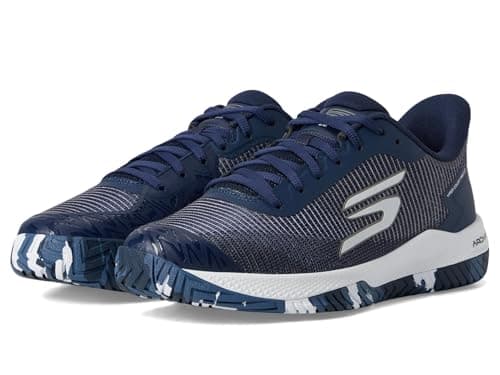 Skechers Viper Court Pro 2.0 (Men's) Best all-around men's court shoe | Best pickleball-specific | — | |
| 2 | 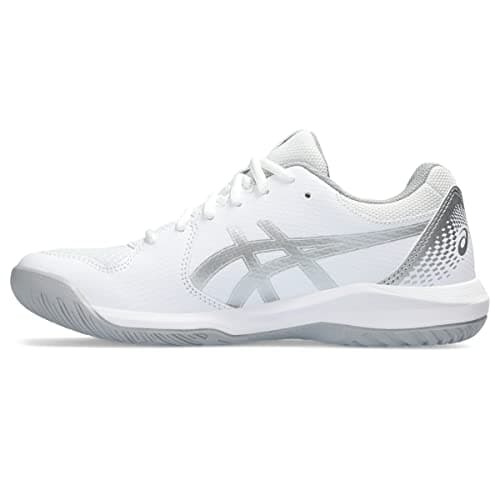 ASICS Gel-Dedicate Court Shoe Best cushioning / joint comfort | Best tennis crossover | — | |
| 3 | 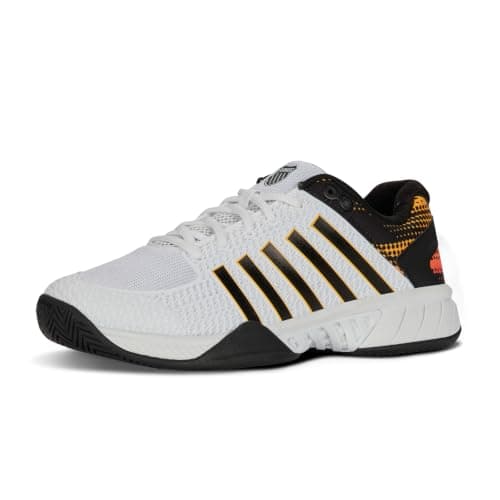 K-Swiss Express Light Pickleball Lightweight, quick-footed players | Best lightweight option | — | |
| 4 | 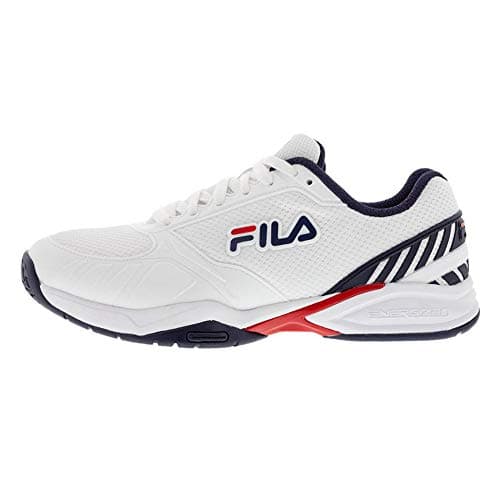 FILA Volley Zone Pickleball Best value court shoe | Best value | — | $44.95 · View on Amazon #adPrice as of October 23, 2026 |
Tap any row to jump to the full write-up. Prices are pulled live from Amazon.
Skechers Viper Court Pro 2.0 (Men's)
A dedicated pickleball court shoe with lateral support and a non-marking outsole — comfortable enough for long sessions.
Skechers went after pickleball specifically with the Viper Court line, and it shows: real lateral containment for side-to-side play, a grippy non-marking sole, and the cushioning Skechers is known for. The default recommendation for most men.
The Viper Court line is built for pickleball rather than adapted to it: a lower profile than most tennis shoes, court-specific lateral support, and a non-marking outsole that suits indoor floors as well as outdoor courts. If you want a shoe designed around the sport's shorter, sharper movements rather than a tennis platform borrowed for it, this is the pick. The con is durability on abrasive outdoor surfaces, where a heavier tennis outsole outlasts it.
- Spec 1
- Court-specific lateral support
- Spec 2
- Non-marking outsole
- Spec 3
- Cushioned midsole
ASICS Gel-Dedicate Court Shoe
ASICS' GEL cushioning is the reason to buy — the pick if knees and joints take a beating on hard courts.
A tennis court shoe that translates perfectly to pickleball, the Gel-Dedicate brings ASICS' signature GEL cushioning for shock absorption. If you play on hard courts and your joints feel it the next day, this is the comfort pick.
A proper hard-court tennis shoe with GEL rearfoot cushioning, and the clearest evidence that you do not need a pickleball-branded shoe to be well equipped. The extra cushioning and the more substantial outsole suit players who spend hours on concrete and want joint protection. The con is weight and height: it is more shoe than pickleball strictly requires, and a higher platform is marginally slower to change direction on.
- Spec 1
- GEL rearfoot cushioning
- Spec 2
- Hard-court outsole
- Spec 3
- Supportive upper
K-Swiss Express Light Pickleball
A lighter court shoe from a tennis-shoe pedigree brand — fast underfoot with genuine lateral stability.
K-Swiss brings decades of tennis-court shoe experience. The Express Light is the pick if you want a lighter, quicker-feeling shoe that still holds you through hard lateral cuts. A durable outsole for the abrasive court surface.
A tennis-court shoe built light, which suits pickleball's emphasis on quick small steps over long baseline sprints. Lateral stability is genuinely court-grade rather than the token support a trainer offers, and the lighter build makes the constant repositioning at the kitchen line less tiring. The con is cushioning — less of it than the ASICS, which matters if you play long sessions on concrete.
- Spec 1
- Lightweight build
- Spec 2
- Tennis-court lateral stability
- Spec 3
- Durable outsole
FILA Volley Zone Pickleball
The value pick: a genuine court shoe with pickleball-appropriate support at a budget-friendly price.
You don't have to spend big for a proper court shoe. The FILA Volley Zone delivers the lateral support and non-marking sole you need for pickleball at a price well under the specialty options — the smart budget choice.
The cheapest shoe we would recommend for court play. It has the two things that matter — real lateral support and a non-marking court outsole — without the price of a flagship tennis shoe, which makes it the sensible answer for a player who has been playing in running shoes and needs to stop. The con is that a value court shoe wears through faster; expect to replace it sooner.
- Spec 1
- Budget-friendly
- Spec 2
- Court-appropriate support
- Spec 3
- Non-marking sole
What actually differs between the two
Height and profile. Pickleball-specific shoes tend to sit slightly lower to the ground than tennis shoes. A lower platform means less leverage acting on the ankle when you push off laterally, and a marginally quicker change of direction. On a small court where you rarely take more than three steps in a line, that suits the movement.
Outsole pattern and durability. Tennis outsoles are built for sliding and stopping on hard courts across long points, and they are usually the more durable of the two. Pickleball outsoles more often prioritize grip on both outdoor courts and indoor gym floors, because a lot of pickleball is played indoors.
Cushioning.Tennis shoes generally carry more, because tennis involves more running and harder landings. Pickleball's movement is shorter and sharper, so the cushioning premium matters less — except in the specific case of long sessions on concrete, where it matters a lot.
Weight. Pickleball shoes are often a little lighter. With hundreds of small repositioning steps per session, that adds up more than the difference sounds.
The answer most people need
If you already own hard-court tennis shoes, play in them. They have every property that matters — lateral support, a court outsole, a stable platform — and the difference between them and a pickleball-branded shoe is smaller than the difference between either and what most recreational players actually wear.
If you are buying from scratch and you only play pickleball, buy a pickleball shoe. It is fractionally better matched to the movement and it usually costs less than a flagship tennis shoe.
What you should not do is play in running shoes, and that is the real subject of this page.
Why running shoes are the actual problem
A running shoe is engineered for one thing: repeated forward motion in a straight line. Everything about it follows from that. The sole is built up and often flared for cushioning, the upper is soft and unstructured for breathability, and the outsole is designed for grip in the direction of travel.
Pickleball asks for the opposite. The sport is built on lateral movement — pushing off sideways, stopping abruptly, changing direction inside a step. A tall cushioned sole gives your ankle more leverage to roll over, an unstructured upper lets your foot slide inside the shoe on a hard lateral push, and a running outsole does not grip reliably on a sideways load.
That combination is how ankle injuries happen, and it is the single most common avoidable equipment problem in the sport. If you are reading a paddle site because you want to improve, and you are playing in trainers, the shoes are a better place to spend the money. Our main pickleball shoes picks cover the field.
One more distinction: indoor vs outdoor
Court surface matters as much as sport. Outdoor courts are abrasive concrete or asphalt and destroy soft outsoles; indoor gym floors need a non-marking sole and reward grip over durability.
If you play both, a pickleball-specific shoe with a non-marking outsole is usually the better single purchase, because tennis outsoles are optimized for outdoor hard courts first. The same indoor-versus-outdoor split runs through the rest of the kit — our indoor vs outdoor pickleballs page covers the ball side of it.
How we picked
We ranked on the three properties that decide whether a shoe is appropriate for the sport — genuine lateral support, a court-appropriate non-marking outsole, and a stable platform — then split the list so there is a pickleball-specific option, a tennis crossover, a lightweight pick and a value pick.
Fit is the variable we cannot rank. Court shoes run differently between brands, and a shoe that is wrong for your foot is worse than a cheaper one that fits. Our women's picks and men's picks break the field down further.
Who should buy which
Playing mostly pickleball, buying fresh: the Skechers Viper Court. Purpose-built, lower to the ground, non-marking.
Long sessions on concrete, or joint concerns: the ASICS GEL — the extra cushioning is the point, and it is the shoe we would pair with the advice on our paddles for senior players page.
Quick-footed players who dislike heavy shoes: the K-Swiss Express.
Currently playing in trainers: the FILA Volley, today. Any court shoe beats the best running shoe for this sport.
The bottom line
Tennis shoes are fine — play in the ones you own. Pickleball shoes are slightly better matched if you are buying anyway. Running shoes are the problem, and swapping them out is the highest-value equipment change available to most recreational players, ahead of any paddle upgrade. For the rest of the kit, our gear hub covers bags, balls, grips and weights, and our how to choose a paddle guide covers the paddle side.
Tennis shoes are the easy case, because they are court shoes already. Running shoes are the ones to worry about — our can you wear running shoes for pickleball guide covers the four design choices that make them the wrong tool.
Can I wear tennis shoes for pickleball?
Yes. Hard-court tennis shoes have everything the sport needs — lateral support, a court outsole and a stable platform. Pickleball-specific shoes sit marginally lower and are usually a little lighter, which suits the sport's shorter movements, but the gap between the two is small.
Why can't I wear running shoes for pickleball?
Running shoes are built for straight-line forward motion: a tall cushioned sole, a soft unstructured upper and an outsole gripped for the direction of travel. Pickleball is lateral. That combination gives your ankle more leverage to roll, lets your foot slide inside the shoe on a sideways push, and does not grip reliably on a lateral load.
What is actually different about a pickleball shoe?
Usually a lower profile to the ground, a slightly lighter build, and an outsole tuned for both outdoor courts and indoor gym floors rather than optimized for outdoor hard courts alone. Tennis shoes typically carry more cushioning and a more durable outsole.
Do I need different shoes for indoor and outdoor pickleball?
Not necessarily, but the surfaces make different demands. Outdoor concrete is abrasive and eats soft outsoles; indoor floors require a non-marking sole. If you play both, a pickleball-specific shoe with a non-marking outsole is usually the better single purchase.