Indoor vs Outdoor Pickleballs
They are not color variants. An indoor ball and an outdoor ball are different objects with different shells, different holes and completely different flight.
Disclosure: Drive Dink earns a commission from qualifying Amazon purchases at no extra cost to you. We accept no free products and no paid placements — commissions never change our picks. How this works.
Turning up to an indoor session with a bag of outdoor balls is one of the more common equipment mistakes in the sport, and it does not announce itself politely — the ball skids, sits up, and behaves nothing like the game you were expecting.
The difference is structural, not cosmetic. Live Amazon prices render above. Units we claim to have tested: 0.
| # | Paddle | Best for | Score | Price |
|---|---|---|---|---|
| 1 | 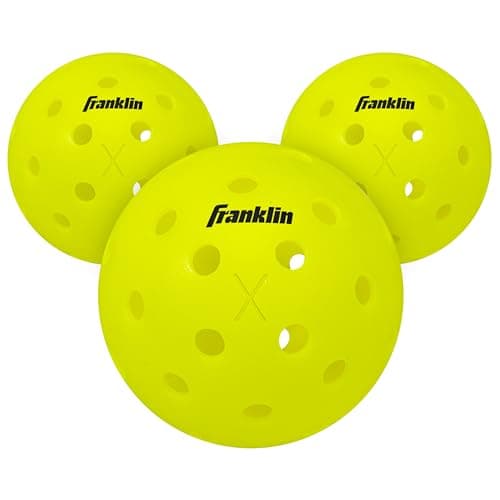 Franklin X-40 Outdoor Pickleballs Best outdoor ball / tournament standard | Best outdoor ball | — | |
| 2 | 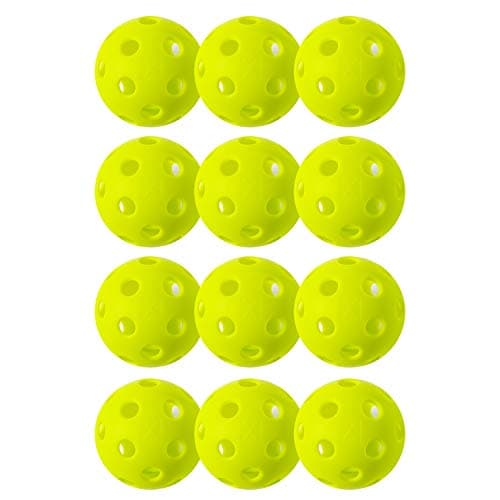 Franklin X-26 Indoor Pickleballs (12-pack) Best indoor ball / gym-league default | Best indoor ball | — | |
| 3 | 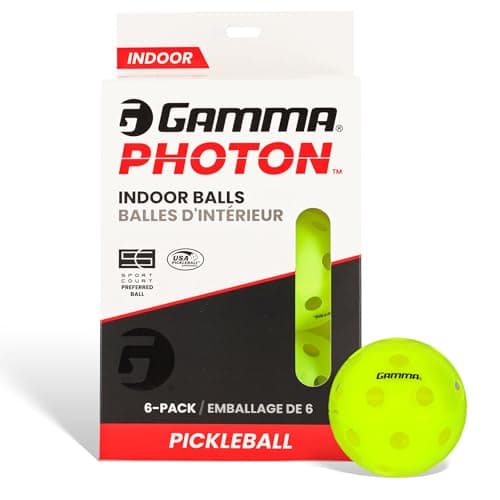 GAMMA Photon Indoor Pickleballs (6-pack) Best indoor ball for consistent flight | Best indoor ball for flight consistency | — | $21.96 · View on Amazon #adPrice as of October 23, 2026 |
| 4 | 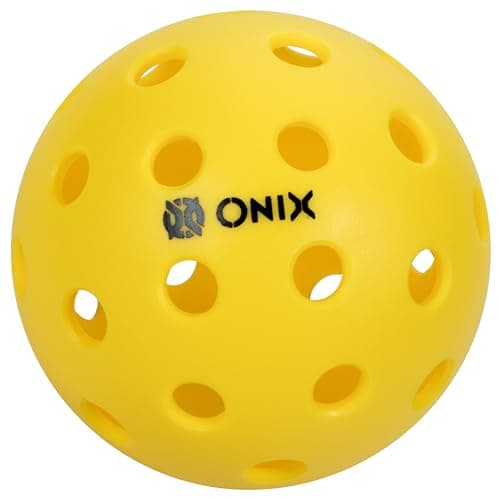 Onix Pure 2 Outdoor Pickleballs Best true-flight outdoor alternative | Best outdoor alternative | — |
Tap any row to jump to the full write-up. Prices are pulled live from Amazon.
Franklin X-40 Outdoor Pickleballs
The most-played outdoor ball in the sport — the USA Pickleball national championship ball and a durable, true-flying default.
If you play outdoors, the Franklin X-40 is the ball you'll see most and the one most tournaments use. Consistent flight, a hard outdoor shell, and the official-ball pedigree make it the easy default for outdoor play.
The 40-hole X-40 is the most-played outdoor ball in the sport and the USA Pickleball national championship ball. Small holes and a hard shell are what let it hold a line through wind, and it is the ball most outdoor tournaments put on court — which means practicing with it is practicing with what you will compete on. The con is the one every hard outdoor ball has: it cracks eventually, and cold weather accelerates it.
- Spec 1
- 40-hole outdoor design
- Spec 2
- USA Pickleball approved
- Spec 3
- Tournament standard
Franklin X-26 Indoor Pickleballs (12-pack)
The indoor counterpart to the X-40: 26 larger holes, a softer shell, and the ball most indoor leagues put on the floor.
Indoor balls are a different object from outdoor balls, not a color variant. The X-26 uses 26 larger holes and a softer, lighter shell that carries less speed through gym air and skids less on a wood or sport-court floor. Buying it by the dozen is how most indoor groups stay stocked.
The indoor counterpart to the X-40, with 26 larger holes and a softer, lighter shell. That combination is what keeps the ball from skidding off a wood or sport-court floor and stops it carrying too much speed through still air. Buying by the dozen is how most indoor groups stay stocked, because indoor balls go soft and out-of-round rather than cracking. The con is that a soft shell is easy to deform if you stand on one.
- Spec 1
- 26-hole indoor design
- Spec 2
- USA Pickleball approved
- Spec 3
- 12-ball pack
GAMMA Photon Indoor Pickleballs (6-pack)
A high-visibility indoor ball with a reputation for holding its shape and flight longer than the cheap gym-bag fillers.
GAMMA built the Photon around indoor flight consistency and visibility, and it is the indoor ball most often recommended when the standard 26-hole ball feels too soft or goes out of round quickly. USA Pickleball approved, and sold in a six-pack that suits a regular indoor group rather than a one-off session.
GAMMA built the Photon around indoor flight and visibility, and it is the ball most often suggested when the standard indoor option feels too soft or goes out of round quickly. USA Pickleball approved, sold in a six-pack that suits a regular group rather than a one-off session. The con is price per ball against the twelve-pack alternative.
- Spec 1
- Indoor hole pattern
- Spec 2
- USA Pickleball approved
- Spec 3
- 6-ball pack
Onix Pure 2 Outdoor Pickleballs
The main challenger to the X-40 — praised for a very true, consistent flight and a slightly softer feel off the paddle.
The Onix Pure 2 is the outdoor ball players reach for when they want the truest flight. It's a touch softer than the X-40 with excellent balance and durability — the alternative worth trying if the X-40 feels too firm.
The Pure 2 is the outdoor ball to try if the X-40 does not suit your court or your group — a different balance of hardness and flight from a brand with a long tournament record. Having a second outdoor option matters more than it sounds, because ball choice is often decided by what your local club plays. The con is availability: it is less universally stocked than the Franklin.
- Spec 1
- Seamless outdoor construction
- Spec 2
- Very true flight
- Spec 3
- USA Pickleball approved
The actual difference
| Property | Outdoor ball | Indoor ball |
|---|---|---|
| Holes | 40, smaller | 26, larger |
| Shell | Harder, heavier | Softer, lighter |
| Designed for | Wind and abrasive surfaces | Still air and smooth floors |
| Typical failure | Cracks | Goes soft or out of round |
| Feel off the paddle | Firmer, faster | Softer, slower |
Those five rows are the whole comparison, and every one of them follows from where the ball is meant to be played.
Why the hole count differs
Outdoor balls have more, smaller holes because they have to fight wind. Smaller apertures reduce how much the air can grab the ball, and the extra mass in a harder shell adds momentum to push through a breeze. That combination is what lets an outdoor ball hold a line on a windy court.
Indoor balls have fewer, larger holes because there is no wind to fight and a different problem to solve: a hard ball on a smooth gym floor skids unpredictably and comes off the paddle too fast in still air. Larger holes and a softer shell slow the ball down and give it a more predictable bounce on a surface with far less grip than an outdoor court.
What playing the wrong ball feels like
Outdoor ball indoors: everything is faster than it should be, dinks skid off the floor rather than sitting up, and the ball feels hard and unforgiving off the paddle. Rallies get short.
Indoor ball outdoors: the ball is at the mercy of any breeze, drives lose their sting, and the softer shell deforms under hard hitting far sooner than it would indoors.
Neither is dangerous, and either will do for a casual hit. But if you are practicing a specific shot — drops, resets, a spin serve — the ball is a bigger variable than most players account for. Our paddles for spin serves page covers the shot most sensitive to it.
How each one dies
Outdoor balls crack. The hard shell that lets them fly true is also brittle, and cold weather makes it more so — a ball that survived summer will split in a week of winter play. A cracked ball is out of play immediately; there is no ambiguity.
Indoor balls go soft and out of round, which is a much sneakier failure. The ball is still whole, it still bounces, and it plays subtly wrong for weeks before anyone bins it. If your group's indoor balls have been in the bag since spring, they are almost certainly past it.
Either way, buying a dozen at a time and rotating them is the cheapest quality-of-play improvement available. It costs less than one paddle overgrip per session and it changes the game more than most equipment decisions do — our main pickleball balls page covers the wider field.
USA Pickleball approval
Every ball on this page is listed by its manufacturer as USA Pickleball approved, which matters if you play sanctioned events — the approved list is what a tournament will hold you to.
As with paddles, the list changes and manufacturer claims are not the same thing as current listing. Verify against USA Pickleball's own equipment pages before a tournament rather than trusting a product description; our guide to USAP approved equipment explains why that distinction matters more than it sounds.
Which should you buy
If you play outdoors on public courts, the X-40. It is the default for a reason and it is what most of the people you meet will already have in their bag.
If you play indoors in a gym or rec center, the X-26 in a twelve-pack. It is the standard indoor ball and buying in bulk is the only sensible way to handle a ball type that degrades quietly.
If your indoor group finds the standard ball too soft, the GAMMA Photon. It is the usual next step and its reputation is specifically for holding shape and flight longer.
If you play both, buy both and keep them in separate bags. Mixed bags are how the wrong ball ends up on court.
The bottom line
The ball is the cheapest thing in your bag and one of the most consequential. Match it to the surface, replace it more often than you currently do, and do not let an indoor ball and an outdoor ball share a pocket. For the rest of the kit, our gear hub covers shoes, bags, grips and weights, and our pickleball bag picks cover somewhere to keep the two sets apart. The same rule matters twice over if you drill with a pickleball ball machine — mixing ball types through one hopper makes the feed inconsistent.
The indoor-and-outdoor split also decides how long a ball lasts: outdoor shells crack, and indoor shells go soft instead. Our how long do pickleball balls last guide covers both failure modes and how to spot them.
What is the difference between indoor and outdoor pickleballs?
Outdoor balls have 40 smaller holes and a harder, heavier shell so they hold a line in wind and survive abrasive surfaces. Indoor balls have 26 larger holes and a softer, lighter shell so they do not skid on smooth gym floors and do not carry too much speed through still air.
Can I use an outdoor ball indoors?
You can, but it plays badly. The ball moves faster than it should, dinks skid off a smooth floor instead of sitting up, and it feels hard and unforgiving off the paddle. For a casual hit it is fine; for practicing drops, resets or serves it is a significant variable.
How often should pickleballs be replaced?
More often than most groups do. Outdoor balls crack, which is obvious, and cold weather accelerates it. Indoor balls go soft and out of round without ever looking broken, so they get played long past the point where they are behaving properly. Buying a dozen and rotating is the practical answer.
Which pickleball do tournaments use?
For outdoor play the Franklin X-40 is the most widely used and is the USA Pickleball national championship ball. Indoor events vary more by venue. Whichever you play, check the current USA Pickleball approved list rather than relying on a product description, because the list changes.